
A great smile can do wonders for your confidence and well being. From feeling healthy from a physical standpoint, to uplifting our mental health and confidence, our overall oral health impacts out daily lives greatly. This is a topic that I have gone into depth in a previous post as well.
One issue that unfortunately a significant portion of the population deals with it malocclusion. Malocclusion refers to, in a nutshell, misalignment of teeth and how the upper and lower teeth fit together (Chauhan et al. 2013). It is reported that malocclusion prevalence is growing year by year, currently effecting around 60% to 75% of the global population in varying severity (Dental Tribune, 2023). Luckily there are a multitude of treatment options for malocclusions, from braces to surgery, however in this post let’s focus on a relatively recent technology, invisaligners.
What Is It?
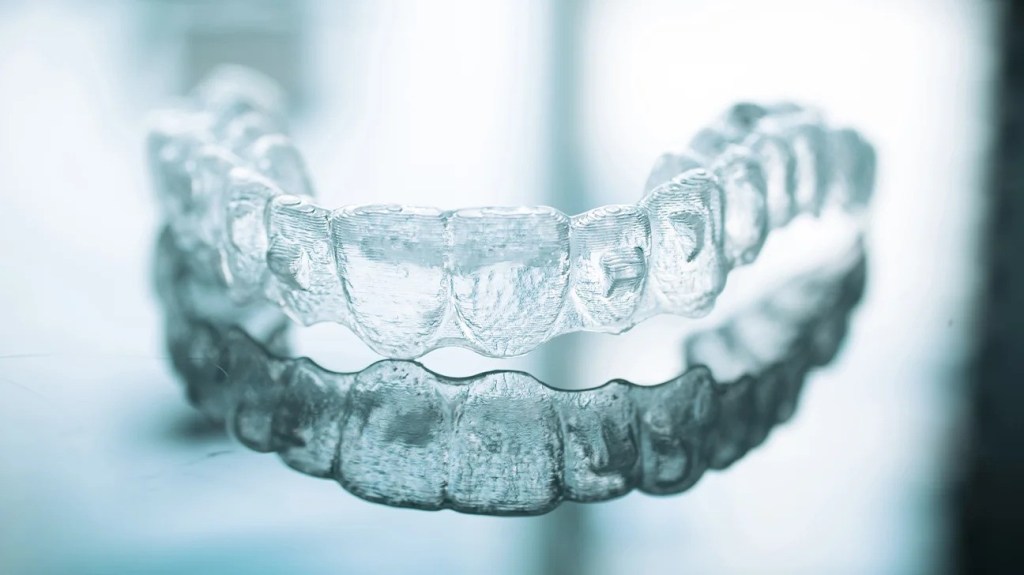
Invisaligners are a relatively new orthodontic treatment, using computer generated molds to correct your teeth alignment over time. Dental professionals first take 3D digital scans and/or impressions of your current teeth alignment. This 3D model is then used to design a personalized treatment plan, taking the current to the final straightened position of your teeth. This maps out a treatment plan that will gradually align and correct your teeth. The invisalign aligners are then fabricated in lab using a 3D-printing process.
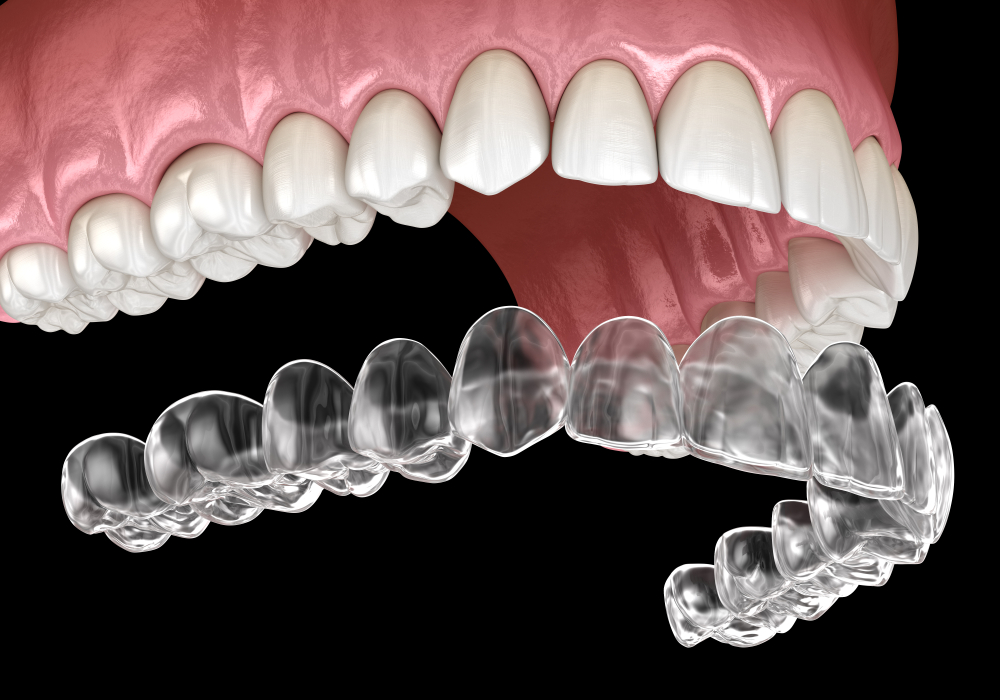
These invisaligners are in essence teeth covers, one for your top row of teeth, and one for the bottom. They are aimed to progressively correct your alignment little by little. As a result, each aligner is worn only for a few weeks, replaced with the next step of the treatment plan which aligns the teeth even more. The amount of treatment steps depends on the severity of the malocclusion.
The Do’s
Wear them as much as possible:
To get the greatest and quickest benefit from your aligners, wear them as often and long as possible. It is strongly encouraged to wear the aligners for a minimum of 22 hours every day, only taking them off in very specific situations (eating, flossing, etc.). Follow the schedule provided to your by your dental professional to get the results you are looking for. Typically changing out your aligners every one to two weeks, or as your dental professional instructs. The more you wear them, the more aligned your teeth will become.
It is normal for the aligners to be a bit uncomfortable at first, however it just takes a little while to adjust to their feeling. Rest assured that you will acclimate to them.
Take care of them
Since aligners are removeable, be wary to store them correctly when not in use. Once you take them off, it can be easy to misplace them, drop them, or damage them in other ways. Be sure to use their case correctly, and upkeep with cleaning them using soft bristles, soft chemicals and lukewarm water when rinsing them.
Normal oral hygiene
Be sure to maintain your regular (hopefully) oral hygiene regiments. This includes brushing and flossing in the mornings and nights, as well as making sure your teeth are clean of debris before re-placing the invisaligners after eating and drinking.
The Don’ts
Eating and drinking
It is important to remember, do not eat or drink anything other than water with your invisaligners in. These will cause your aligners to stain, warp and become damaged. While they look like a protective cover for your teeth, their purpose is to align and not protect.
Hot water
While normal water is safe to drink and use with invisaligners, be sure that the temperature is not too hot as that can damage the aligners. Cold and room temperature water is fine however.
Chewing gum
Chewing gum is a no-no when it come to invisaligners. The gum can stick to the aligners, making them difficult to clean and potentially warping them
Abrasive cleaning
Do not use toothpaste on your invisaligners as the abrasives can damage them. This also includes any other abrasive cleaners and harsh chemicals.
Why Choose Them?
The above list may seem long and daunting, however the rule of thumb is, make sure to clean them and your teeth, do not use them with food, drinks, heat and abrasives.
You may now be wondering ‘why use them?’. Below are 3 of the top reasons:
- Clear: Invisaligners are clear and see-through, this makes them virtually invisible to others and unnoticeable. This is opposed to other treatments such as braces which use metal wire and elastic which are more noticeable.
- Convenience: Being easily removeable is definitely a benefit as this increases their convenience of not only being worn, but what can be ate during the treatment period. They come with trays for easy storage, and as opposed to other treatments where certain foods cannot be ate, or with much difficulty, invisaligners can be removed for a short while. This means you can enjoy your sticky toffee pudding easily (just make sure to brush afterwards).
- Treatment period: Aligners typically only have to be worn for a couple months as opposed to other traditions treatment pathways which may go on for years.
In Sum
While not viable for all issues, Invisalign is a great orthodontic treatment for malocclusions whenever possible, providing convenience and short treatment periods, as well as being fairly unnoticeable. With a few do’s and don’ts you can take advantage of this treatment pathway, re-aligning your teeth and uplifting your smile!
References
Chauhan, D., Sachdev, V., Chauhan, T., & Gupta, K. K. (2013). A study of malocclusion and orthodontic treatment needs according to dental aesthetic index among school children of a hilly state of India. Journal of International Society of Preventive & Community Dentistry, 3(1), 32–37. https://doi.org/10.4103/2231-0762.115706
Dental Tribune: Growing burden of malocclusion likely to increase demand for orthodontics supplies. Dental Tribune. (2023, August 10). https://us.dental-tribune.com/news/growing-burden-of-malocclusion-likely-to-increase-demand-for-orthodontics-supplies/#:~:text=The%20increasing%20prevalence%20of%20oral,driving%20the%20global%20orthodontic%20supplies
Tiwari, T., Kelly, A., Randall, C. L., Tranby, E., & Franstve-Hawley, J. (2022). Association Between Mental Health and Oral Health Status and Care Utilization. Frontiers in oral health, 2, 732882. https://doi.org/10.3389/froh.2021.732882





 The Research Root
Leave a comment